
Ultimate Guide To Getting Photos Of Yourself Taken For Your Therapist Website


Having photos of yourself on your therapist website plays a key role in helping visitors feel connected to you. Whether we realize it or not, we often rely on images to form our first impression of a therapist. Do they seem warm and approachable? Do they remind us of someone we trust, like a favorite teacher? Or maybe they even share a little something in common with us—like, ‘Hey, I have that same cardigan!’ These visual cues can go a long way in helping potential clients feel more comfortable reaching out.
Benefits Of Professional Photos
Getting high-quality images of yourself taken by a professional photographer can:
- Build Credibility: Professional photos convey a polished and authentic image, enhancing credibility and instilling confidence in clients and referral sources.
- Tell Your Story: High-quality images serve as a powerful storytelling tool, allowing you to visually communicate your journey, values, and personality.
- Engage Visitors: Professional photos provide a dynamic insight into your vibe meaning not only a visually appealing representation but one that can leave a lasting impression.
How To Have Photos Of Yourself Taken For Your Therapist Website
You know that you need to have photos on your website, so how can you work together with your photographer to ensure that you are getting the best shots you can? Let’s walk together through some of the common things you’ll want to think about and bring up in your collaboration with a photographer.
The Best Photos to Include on Your Therapist Website
What types of photos should you have taken? In short: as many as possible!
The more variety you capture, the more options you’ll have to choose from, allowing you to showcase your personality and practice in different ways.
That said, there are some essential shots every therapist website should include. Below is a list to guide your photo session, helping you decide which images to capture, select, and edit for your site.
1. One Professional Headshot

Your headshot should clearly feature your face. Whether it’s a close-up or slightly zoomed out, make sure it’s not too distant—people should be able to see the whites of your eyes. This will likely be the most-used image on your site and beyond. It’s your “avatar” across the web, used for directories, profiles, brochures, and more. Even as a small thumbnail, this image should be instantly recognizable as you. Make sure it’s shot in horizontal orientation so it can be easily cropped into square or circle formats, which is essential for social media and various platforms.
2. One Creative Headshot
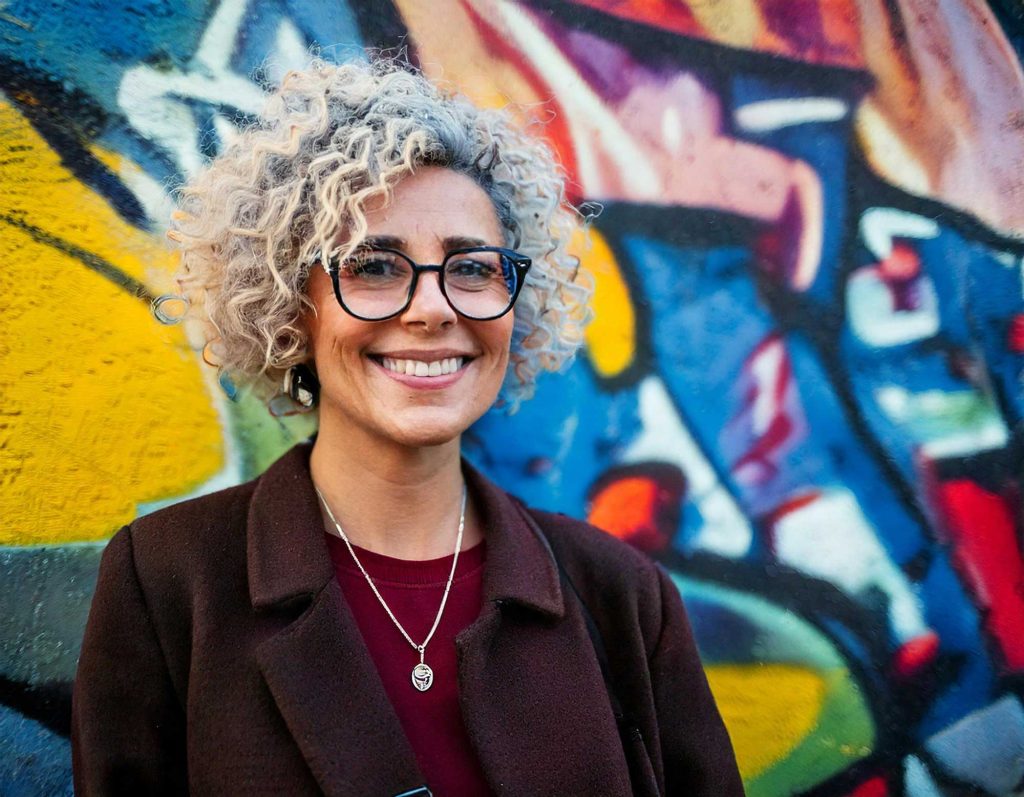
Your second headshot should show a different side of your personality. Play around with brighter colors, a different backdrop, or even a different expression. If your first headshot is serious, consider a more relaxed or smiling image here. This is a chance to offer a fresh perspective of who you are as a person.
3. Two Photos With Background Space
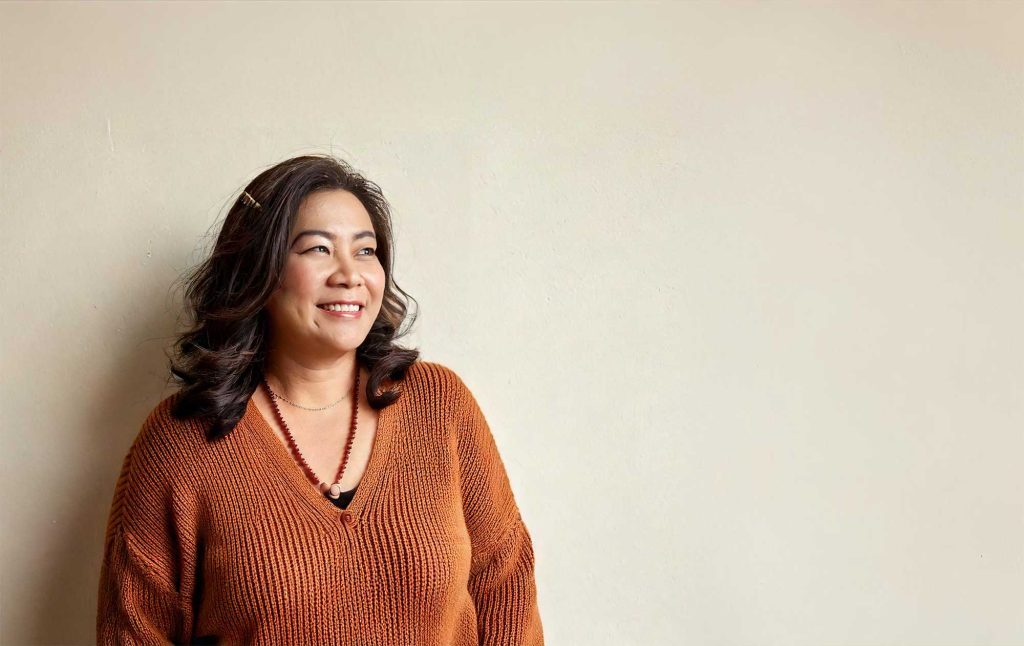
These images should place you off to one side—either the left or right third of the frame—leaving enough space for text to be overlaid on the image. These are perfect for banners, headers, or sections on your website where you’ll want to add messaging. Aim for at least two shots where you’re smaller in the frame to allow room for text placement without crowding the image.
Additional Photos Worth Considering
If you’re able to capture the essential images above, you’re off to a great start! However, adding the following photos can help further showcase you and your practice.
4. Two Environmental Portraits

Get a couple of candid shots of you in your office or workspace. Think of images where you’re sitting at your desk, writing notes, or engaged in a task that gives a glimpse into your professional environment. Horizontal shots are ideal, offering more cropping flexibility, but vertical options can work as well.
Four Office Images
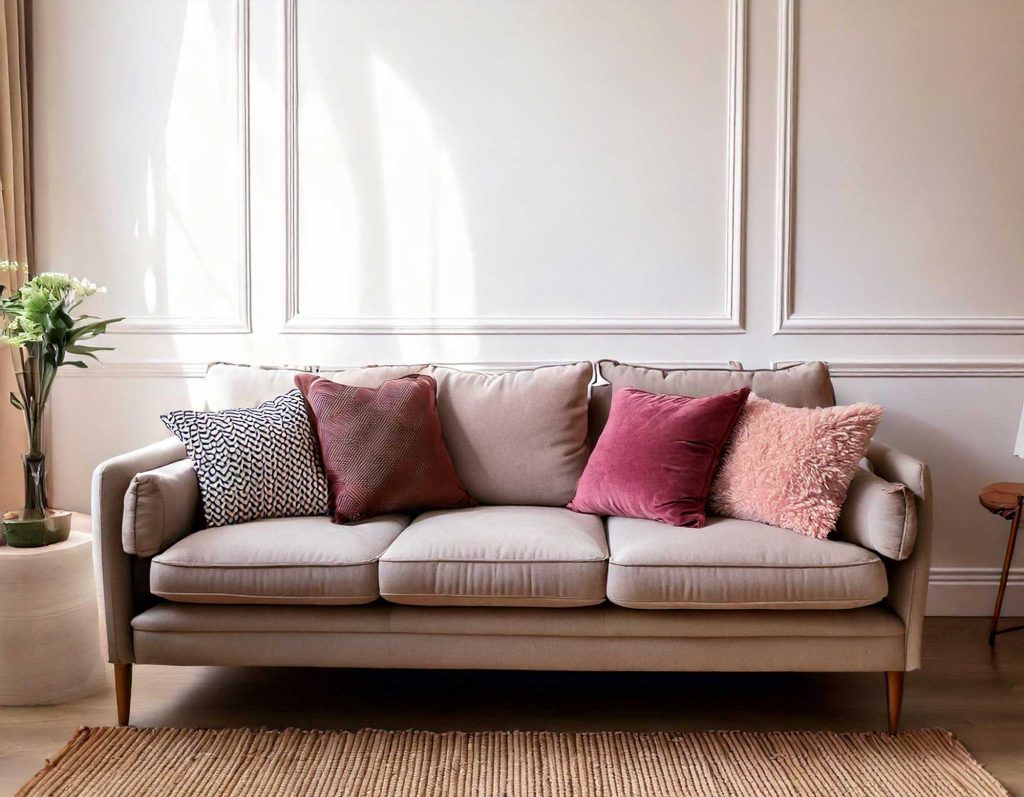
Take at least four images of your office space while the photographer is with you. Capture wide shots that show the overall layout and a few detail shots that highlight the unique touches in your space. Airbnb listings often serve as great inspiration for how to photograph interiors, with a focus on lighting, angles, and capturing the essence of the room.
Should Photos Be Vertical or Horizontal?
On the web, horizontal images reign supreme. They’re versatile, easy to crop into squares or vertical formats, and tend to work well across different layouts. So, it’s a good idea to prioritize horizontal portraits.
That said, square or vertical images can be useful too, especially for smaller spots on your website, like within text content.
For wider shots, horizontal images with plenty of negative space are ideal. These can stretch across the screen for banners or hero sections, but they need to be zoomed out enough—ideally with the human figure taking up only 10-20% of the frame.
Bonus points if the negative space is consistent in tone. If the background is all light or all dark, it makes overlaying text much easier. Think of smooth, empty surfaces like a big sky or a light-colored wall for the best results.
Mix up the orientations, but definitely don’t skip on capturing a variety of horizontal shots.
Let’s Talk What Colors Should Be In The Images

The question of color in images really comes down to a question of your identity. Color images, what colors to have in the images, or even if you should consider black and white are all directions you can go with to reflect something about you as a therapist.
If you’ve already done the work of uncovering your visual identity: either through getting a logo made or a website designed, then you may already have color inspiration at your fingertips.
For example if your logo is blue, then try to incorporate blue into your photos. Usually going for a color match is easiest.
How do you show up for people? How do you hold space? And how do you fit into the journey that your best fit client is on?
Are you the therapist who is excited and encouraging? If yes, maybe try more exciting and encouraging colors. Think pops of bright colors like green, pink, orange. Or maybe in front of a colorful mural or painting.
Are you the therapist who is ultra sensitive and helps clients drop into the depths of their dark emotions? If yes, maybe try more muted colors or even black and white.
It could also be about expressing a meeting point between you and your client. Like a shared identity. Are you a queer therapist who helps other LGBT+ clients be loud and proud after a lifetime of shame? If yes, maybe incorporate some rainbow details in some images like hold a rainbow mug.
It’s also about more than just color or not, it’s also about qualities like contrast, depth of field (how blurry backgrounds are), saturation of colors, and more.
This post I wrote on what color your therapist website should be may be a good exploration for you to do.
What You Should Wear For Your Photos
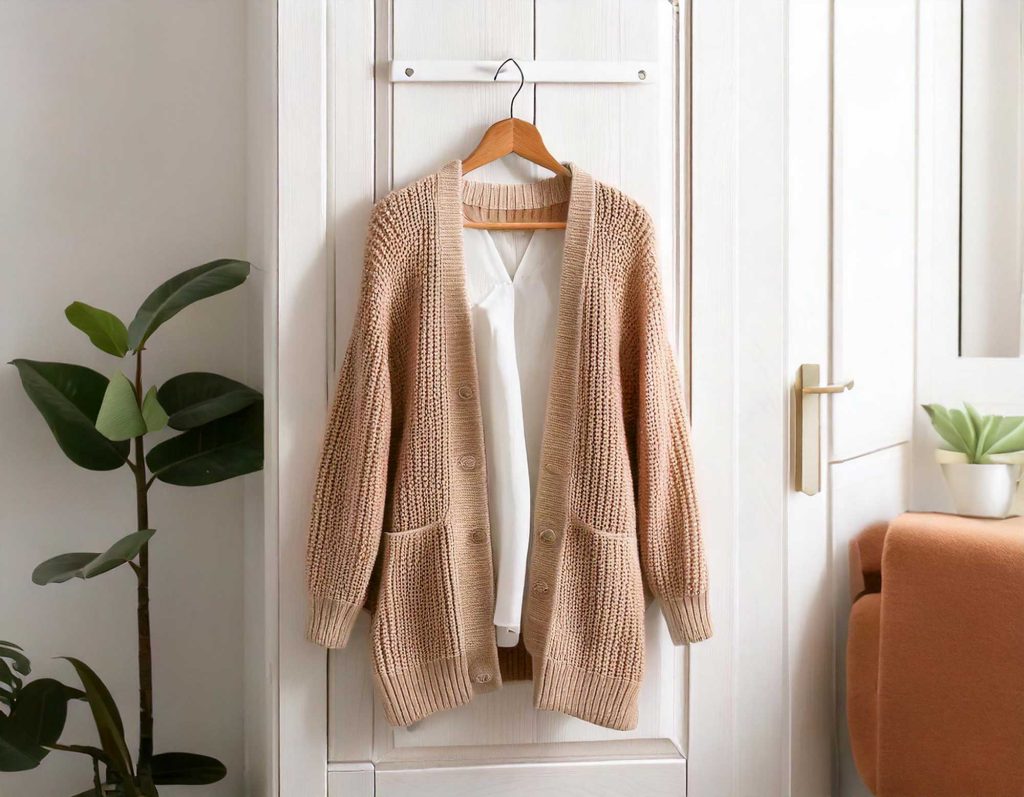
For your photos, wear the types of clothing you normally would wear in a session. That said, bring many options and work together with your photographer to select what to wear per each shot or to be able to try multiple outfits in one shot. Things like lighting and background can influence which outfit will work best in a particular shot.
It’s also good to have at least a few outfit changes so you can reflect your sense of style across the images. Don’t just take all of the images in the same outfit.
What Mood Should You Go For? From Smiles To Serious – Try It All

Go for all of the moods. Try things out!
Unless you’re a very experienced model, it would be hard to know in advance what will “work” for you. And by that, I mean what will work photographically in terms of what will come across as the most authentic and true to who you are as a therapist.
Hopefully your photographer will be someone you can be stupid in front of! And I mean that in the best of ways.
Even in the modeling/photography industry, we might take 100 shots to get just one. That’s because the tiniest of movements can make or break a shot.
It also takes time to warm up and discover what’s working between the model and the photographer.
- Get goofy.
- Try smiling like an idiot.
- Try smiling normally.
- Jump around and then get still and just relax looking at the camera.
- Turn your shoulders to the left with your head to the right.
- Then do the opposite.
- Connect into your serious side.
- Think about talking to your best fit client.
- Think about how happy you are when you see your dog after a long day.
- And play!
If you try a bunch of things, one of the things is bound to work out.
So it’s less about “having a plan” for the mood you will be in and more about being open to experimenting, open to feedback in the moment, and then open to being surprised that some silly moment may have turned into the best shot of you ever taken.
How To Be Photogenic
In addition to finding a right-fit photographer, you’ll also want to get yourself into the right mindset. Most humans are uncomfortable being photographed. If you feel you are not photogenic or comfortable, it is worthwhile to invest some energy before you pay cash money for a shoot to work on being able to be comfortably photographed.
Inspiration For Photos On Websites
Therapist Websites
Therapist websites that have some great images of therapists
- https://meganmountcastle.com/
- https://mindfulconnections.us/
- https://drlorihusband.com/
- https://dhruvikakkad.com/
- https://moonchildcounseling.com/
Coach and Thought Leader Websites
It’s sometimes helpful to observe how some of the bigger names in other related fields (like coaching) are integrating images of themselves on their websites. Here are a handful of brands that therapists could draw inspiration from
- https://gabbybernstein.com/
- https://daniellelaporte.com/
- http://www.kristinwebstercoaching.com/
- http://shelleyugyan.com/
- https://kriscarr.com/
- https://www.melrobbins.com/
- https://katlove.com (that’s me!)
Masculine Energy Examples
A handful for the masculine energetic
- https://bryanpurcellcounseling.com/
- https://www.richroll.com/
- https://simonsinek.com/
- https://tim.blog/
Finding A Right-Fit Photographer Is Key
Choosing the right photographer is essential to getting the results you want. Here are the traits to look for when selecting a photographer who’s the perfect match for you:
1. You Get Along with Them
Find someone you can connect with on a personal level. Portrait photography is about more than just technical skill—it’s about capturing authentic moments. The best photographers build rapport quickly, making you feel comfortable in front of the camera. You can often get a sense of this through their portfolio or even during a quick phone call. Pay attention to whether you feel at ease when communicating with them.
2. They Already Shoot the Style You Want
Every photographer has a distinct creative style. It’s important to understand this through their portfolio. A common mistake is assuming any photographer can adapt to any style—this isn’t true. Photographers have their own “voice,” and the images they produce will likely reflect that. When browsing their portfolio, imagine yourself in the photos. Can you see yourself using these types of images on your website? If the answer is no, that photographer may not be the best fit.
3. They Offer a Professional Experience
It’s not just about the final product—it’s about the process too. Look for a photographer who is professional, reliable, and organized. They should communicate clearly, be open to discussing your needs, and deliver images on time. A photographer with a smooth, professional workflow will make the experience more enjoyable and less stressful, allowing you to focus on getting great shots rather than worrying about the details.
Four Ways To Find A Great Therapist Portrait Photographer
1. Get a Referral
If you admire the photos of any local business owners, don’t hesitate to ask who their photographer was. Entrepreneurs and other professionals who have recently hired a photographer—whether for a business shoot, wedding, or event—can often give great referrals. Keep in mind that some wedding photographers also offer portrait sessions, so don’t rule them out.
2. Search Stock Photo Websites
While stock photo websites aren’t designed as photographer directories, they can be a hidden gem for finding talented photographers. Many stock photographers are skilled in portraits, and you can discover their work by visiting stock photo websites. One of my favorites is Stocksy.com. Try searching for “portrait [your city]” to find local photographers who excel at portraiture.
3. Search Instagram
Instagram can be a powerful tool for finding photographers, though the quality of results may vary. To search, use hashtags like “#[yourcity]photographer” or “#[yourcity]portraitphotographer.” Browse through the posts to get a feel for the photographer’s style and whether it matches what you’re looking for.
4. Budget Option: Hire a Student Photographer
If you’re working with a tighter budget, consider reaching out to student photographers. Contact local art schools, colleges, or community colleges and inquire about hiring a student from their photography programs. It can be a cost-effective way to get quality photos while supporting up-and-coming talent.
Examples Of Photographers Doing Great Work
To help you identify what types of photographers to look for, here are some photographers doing great work
- Portraits To The People https://portraitstothepeople.com/ (San Francisco)
- More coming soon!
Photos: A Valuable Investment
Including photos of yourself on your website is not just a nice touch—it’s a crucial element in building a successful, engaging online presence. While finding the right photographer and planning a photo session may require some effort, the result is well worth it. High-quality, authentic images can help potential clients feel more connected to you before they even meet you, making your website more inviting and trustworthy.
I hope these tips have given you a clearer idea of how to approach your photoshoot and make the most of your images. Best of luck, and remember—your photos are an investment in the connection you build with future clients!